Aesthetic Services at Savvy Skin Medical Aesthetics in Savannah, GA
Maintaining healthy skin is an important part of your overall well-being and appearance. Savvy Skin Medical Aesthetics in Savannah is your place to find effective aesthetic services that keep your skin looking its best. We specialize in skincare treatments and solutions that can restore, rejuvenate, and protect your skin, improving and safeguarding its long-term health.

About Savvy Skin Medical Aesthetics
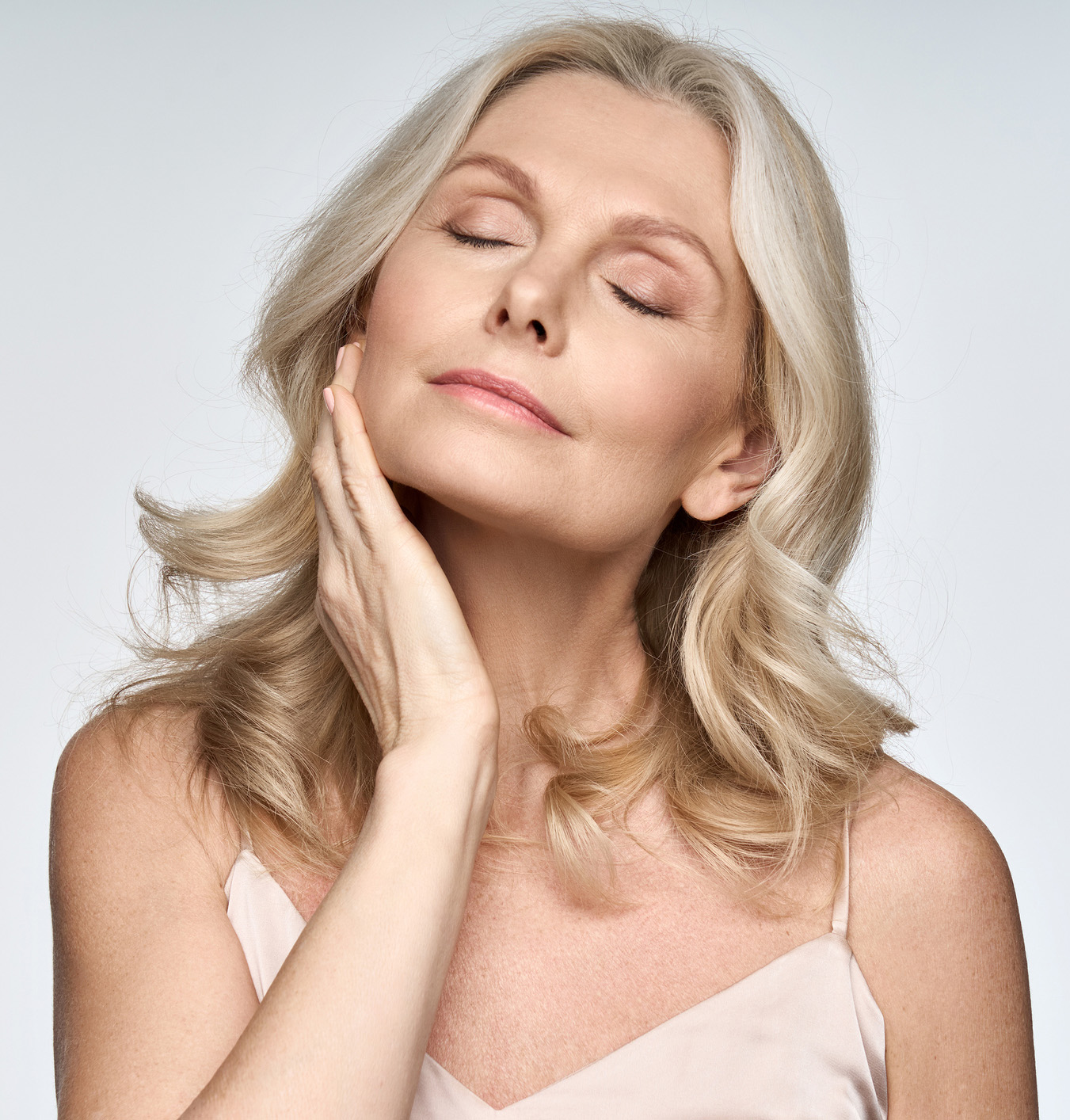
We are home to licensed medical skincare specialists who can help you bring out the best in your skin.
The skin is the largest organ of the body, and it’s constantly exposed to the elements and daily irritation and damage from pollution and household chemicals, the sun, and other sources. Proper care is essential in order to protect both the health of your skin and its appearance.
At Savvy Skin, we specialize in a variety of treatments to help reverse the damage your skin experiences on a daily basis. We also offer aesthetic services that restore and enhance the skin, complementing its natural beauty.
Savvy Skin treatments include in-office treatments as well as at-home protocols to improve skin health. These treatments are completely non-surgical, so you can enjoy all the benefits of great skin care without worrying about significant downtime or scarring.
Check out Savvy Skin Medical Aesthetics on Facebook and Instagram!
You Can Rely on Savvy Skin Medical Aesthetics for Quality Aesthetic Services and Effective Treatments
When you’re looking for quality aesthetic services, it’s hard to know who to trust. That sense of trust is vital when it comes to cosmetic surgery and aesthetic treatments because you need to feel safe putting your appearance in someone else’s hands!
That’s why Savvy Skin Medical Aesthetics has made a point of using only the very best trusted, proven techniques and products, in the hands of experienced, compassionate skincare providers. Every product we use, from cosmetic injectables such as BOTOX® and Juvéderm® to the skincare lines we offer, is clinically proven to be both safe and effective.
Our staff members are the very best too. Licensed Aesthetician Mackenzy Tomlin has worked in the skincare field for years and has a wealth of experience that she uses every day to help patients look and feel fantastic.
What Aesthetic Services Are Available?
At Savvy Skin Medical Aesthetics, we offer a range of skincare treatments, laser treatments, and radiofrequency treatments designed to enhance, beautify, and protect your skin. Our service range includes:
Dermaplaning
Treatment: Gentle exfoliation removes dead skin cells, peach fuzz, and other debris from the surface of the skin. Dermaplaning can also reduce fine lines and acne scarring. This is a comfortable, pain-free treatment with few side effects and little downtime.
Results: Smoother skin and a more even skin tone and texture, with less of the debris that clogs pores. Skincare products become more effective after dermaplaning, and it’s possible to achieve a smoother, more even makeup application.
The results of dermaplaning last around one month.
Microdermabrasion
Treatment: Mild skin exfoliation is performed with an exfoliating tool that gently removes the outermost layer of skin. This is a gentle treatment that’s suitable for people with sensitive skin who can’t tolerate chemical peels or laser resurfacing. Microdermabrasion treatment causes some redness that subsides after one to two days.
Results: Microdermabrasion can reduce:
- Fine lines
- Wrinkles
- Sun damage
- Acne scars
And improve skin texture to make skin softer, smoother, and younger-looking. It’s important to maintain good skincare habits after treatment and protect your skin from the sun to maintain your results.
Chemical Peels
Treatment: This treatment uses a precise blend of chemical ingredients to stimulate a controlled exfoliation process. Chemical peels can be customized by altering the ingredient blend to suit your individual needs and treatment goals. After treatment the skin will peel and flake as part of the exfoliation process. This can also cause skin dryness and sensitivity, with temporary redness, tenderness, or itching.
Results: Initial results can be seen as the skin heals, but it can take up to three months to see the full results. This treatment can:
- Improve fine lines and wrinkles
- Reduce sun damage
- Complete pigmentation correction
- Improve acne scarring
- Even out skin texture
Some people may need multiple treatments to achieve their treatment goals or have regular treatments to maintain their results.
Injectables
Treatment: Injectables include BOTOX®, Dysport®, and other neuromodulators that target the cause of facial wrinkling. Injectables work to relax the muscles at the treatment site, which has the effect of smoothing out facial wrinkles.
Results: Neuromodulator injectables may cause some minor redness or swelling that lasts a few days, but no downtime is needed. Results can be seen around one week after treatment. Depending on the individual and the treatment area, this may mean wrinkles are reduced or even eliminated altogether.
Treatment results are clinically proven to last three to four months and can be extended with further treatments.
Fillers
Treatment: Dermal fillers are injectable treatments that are formulated to add natural-looking volume to the skin to counter age-related volume loss. These treatments are injected into the skin to smooth out fine lines and some wrinkles, enhancing and restoring a more youthful appearance to the face. The dermal fillers we use include:
- Juvéderm®
- Restylane®
- Sculptra®
- Radiesse®
- Versa®
- And more
Results: These treatments may cause minor swelling, redness, and bruising at injection sites, which typically last only a few days. Initial treatment results, including plumper, more youthful-looking skin, are noticeable almost instantly. Depending on the products used, the results can last from several months to a few years and can be extended as needed with further treatments.
Facials
Treatment: Savvy Skin Medical Aesthetics facials are geared towards improving and correcting the skin. Facials also help maintain other procedures. Our skin experts will guide and recommend to you what is necessary for your skin concerns.
Results: Facial results depend on the specific treatment. They can include:
- Cleaning and purifying the skin
- Moisturizing and protecting the skin
- Reducing acne
- Acting as acne scar treatment
- Skin rejuvenation
- Reducing visible signs of aging, including fine lines
Results last from a few weeks to months. Many patients choose to have regular facials to maintain their results.
Microneedling
Treatment: This aesthetic service uses the body’s own natural healing ability to rejuvenate and refresh the skin. In the microneedling treatment, a tool with several tiny needles is applied to the skin. The needles puncture the skin with minute wounds, which trigger the body’s healing response and stimulate collagen production. A topical anesthetic is applied to the skin before treatment to minimize discomfort.
Results: After treatment it’s common to have some redness and swelling, with light bleeding or scabbing for a day or two. Most people see some results within a few weeks, but it takes up to three months to see the full results of treatment, which include:
- Reduction in fine lines and wrinkles
- Improvements in skin tone and texture
- Reduced appearance of scars, including acne scarring
Results are long-lasting and can be extended with further treatments.
Permanent Makeup
Treatment: If you like the look of makeup but not having to constantly reapply it, permanent makeup may be the solution. Permanent makeup treatments apply color to the skin permanently, with a technique similar to tattooing. Common treatment areas include the lips and eye area. A topical anesthetic is applied at the start of the treatment session to minimize discomfort.
Results: Most people have some swelling and redness in the treatment area for a few days. There may also be some light scabbing, with full healing completed in one to two weeks. It’s common for colors to fluctuate as the skin heals, and it may take up to a month to see the final results.
Permanent makeup can last for several years, with results depending on skin type, skincare habits, and other factors.
Microblading
Treatment: This aesthetic service is a form of permanent makeup that enhances the eyebrows. The microblading tool applies tiny, thin cuts to mimic the appearance of brow hair and leaves behind pigment that is specially formulated to the exact shade required. To minimize discomfort, a topical anesthetic is applied at the start of the treatment session.
Results: After treatment it’s common to have some swelling and redness around the brow area, and there may be light scabbing as the skin heals. Healing should be complete after about a week. The exact result depends on your own goal for treatment, but, in general, you’ll have fuller, thicker brows, with no need to apply makeup every day.
Results last up to 1 year.
Waxing
Treatment: Removing unwanted hair can feel like a never-ending battle, but waxing is a simple aesthetic service that gives you long-lasting results. Because waxing removes the entire follicle, it takes much longer for the hair to grow back, as compared to shaving. Waxing is suitable for the:
- Brows
- Arms and armpits
- Back
- Legs
- Bikini line
Waxing can be temporarily uncomfortable, but a skilled professional can complete the treatment within minutes, and it’s tolerable for most people.
Results: Apart from some minor skin sensitivity, there are no side effects or downtime after waxing. The results are immediate and last around four to six weeks, depending on your hair type and growth rate.
Skincare Products
Treatment: No skincare routine is complete without a complete set of skincare products for use at home. We’ll help you find the products that work for your skin type and address your unique skin care needs.
We offer products from:
- ZO® Skin Health
- Obagi®
- SkinMedica®
- Colorescience®
- Revision Skincare®
- EltaMD®
- And more
Results: Using the right skincare products can improve your skin’s tone and texture and help you maintain the results of any other treatments you have at Savvy Skin Medical Aesthetics.
Contact us today to schedule your consultation at Savvy Skin Medical Aesthetics to discuss your skincare needs and our aesthetic services and to get started with what’s right for you!