
Skin Resurfacing in Savannah, GA
Laser skin resurfacing is a highly advanced skin care technique that exfoliates the skin while simultaneously rejuvenating it from the inside-out. We are proud to offer a range of skin resurfacing treatment options to our patients in Savannah and the surrounding areas of Chatham County, Georgia.

What is Skin Resurfacing?
Skin resurfacing is a type of laser treatment that uses light energy to exfoliate the skin, eliminating aged or otherwise damaged skin. In addition to eliminating imperfections in the skin's appearance, laser skin treatments stimulate collagen production deep within the skin. This process will contribute to long-term improvements in skin elasticity and skin health, making skin resurfacing a fairly comprehensive skin rejuvenation approach. Skin resurfacing can be used to address a variety of cosmetic skin concerns, including:
- Scars and acne scars
- Fine lines and wrinkles
- Hyperpigmentation
- Age spots and sun damage
- Uneven skin tone or texture
- And more
We use the Sciton Halo laser for skin resurfacing treatments. It is a hybrid fractional laser, combining the best of ablative and non-ablative lasers to offer patients an effective treatment will minimal downtime and side effects.
Before & After Pictures
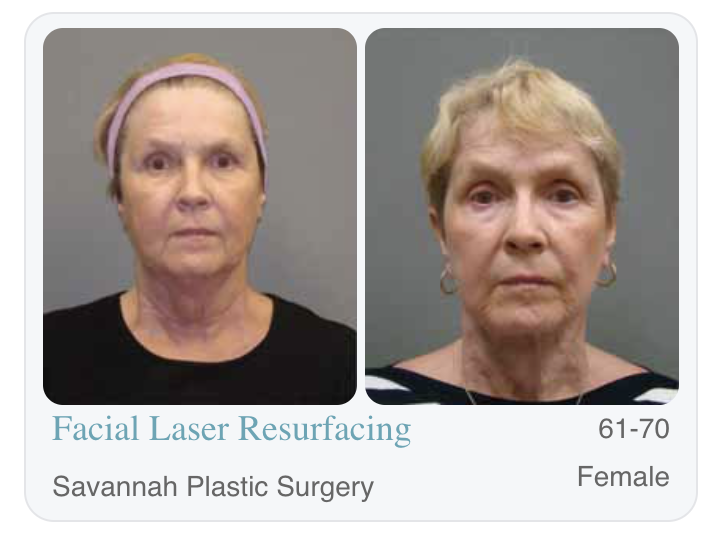
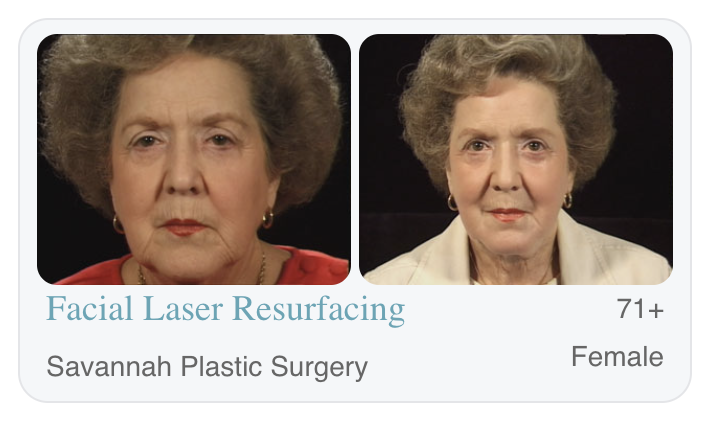
What is the Skin Resurfacing Treatment Like?
The skin resurfacing treatment is performed in-office and begins with the application of a topical numbing solution. This numbing cream will keep the skin cool and minimize any discomfort that may occur during the treatment process. Once the skin is prepared, the Halo laser system will be used to deliver laser energy in and around the desired treatment area. This process will take about 30 minutes, and you may experience some tingling or warm sensations during this time. Afterwards, the skin will be allowed to cool before treatment is completed.
What is the Skin Resurfacing Recovery Like?
After the skin resurfacing treatment, it is common to experience some redness and skin sensitivity. Fortunately, thanks to the hybrid features of the Halo laser, these symptoms will only last for a few days. Within about a week of treatment, the skin will begin to peel and flake. This is a natural part of the skin resurfacing process that signifies that the treatment is working. Once the peeling stops, the skin will have a mild pink color for a few days before it returns to normal. During this recovery process, you will be able to participate in all of your usual activities. However, it is very important to use sunscreen, as the skin will be highly sensitive during this time.
What Skin Resurfacing Results Can I Expect?
The results form skin resurfacing will become increasingly visible as the skin heals following treatment. You may begin to notice results about one month after treatment, with the most significant improvements becoming visible within about three months of treatment. If you are receiving treatment to address concerns such as scarring or hyperpigmentation, we may recommend multiple treatment sessions for optimal results. These results will be long-lasting, and many patients notice that these results rival more aggressive laser treatments without having to endure the downtime and undesirable treatment aspects of ablative lasers.
To learn more about skin resurfacing or the other treatments available at Savvy Skin Medical Aesthetics, contact us today.